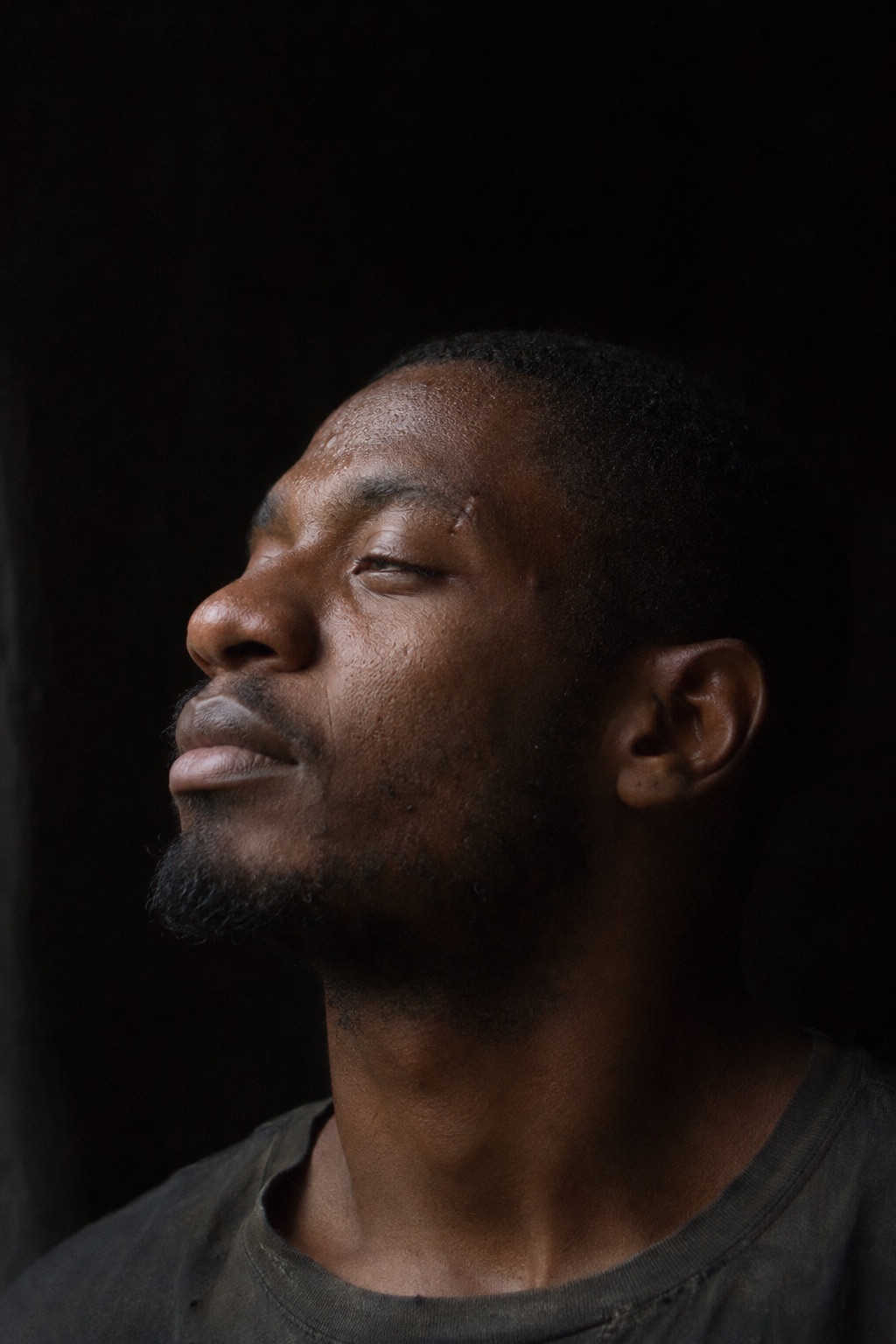
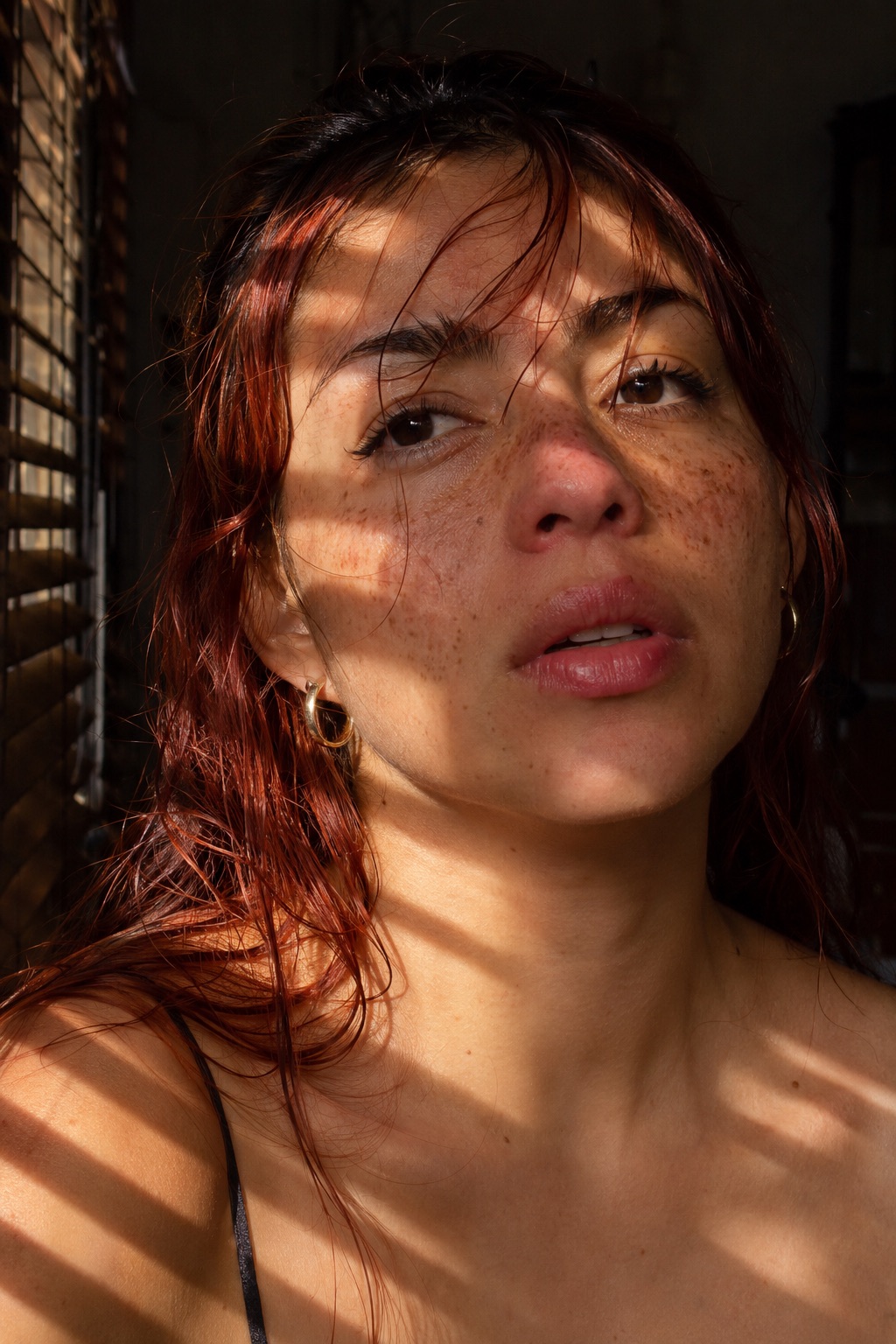
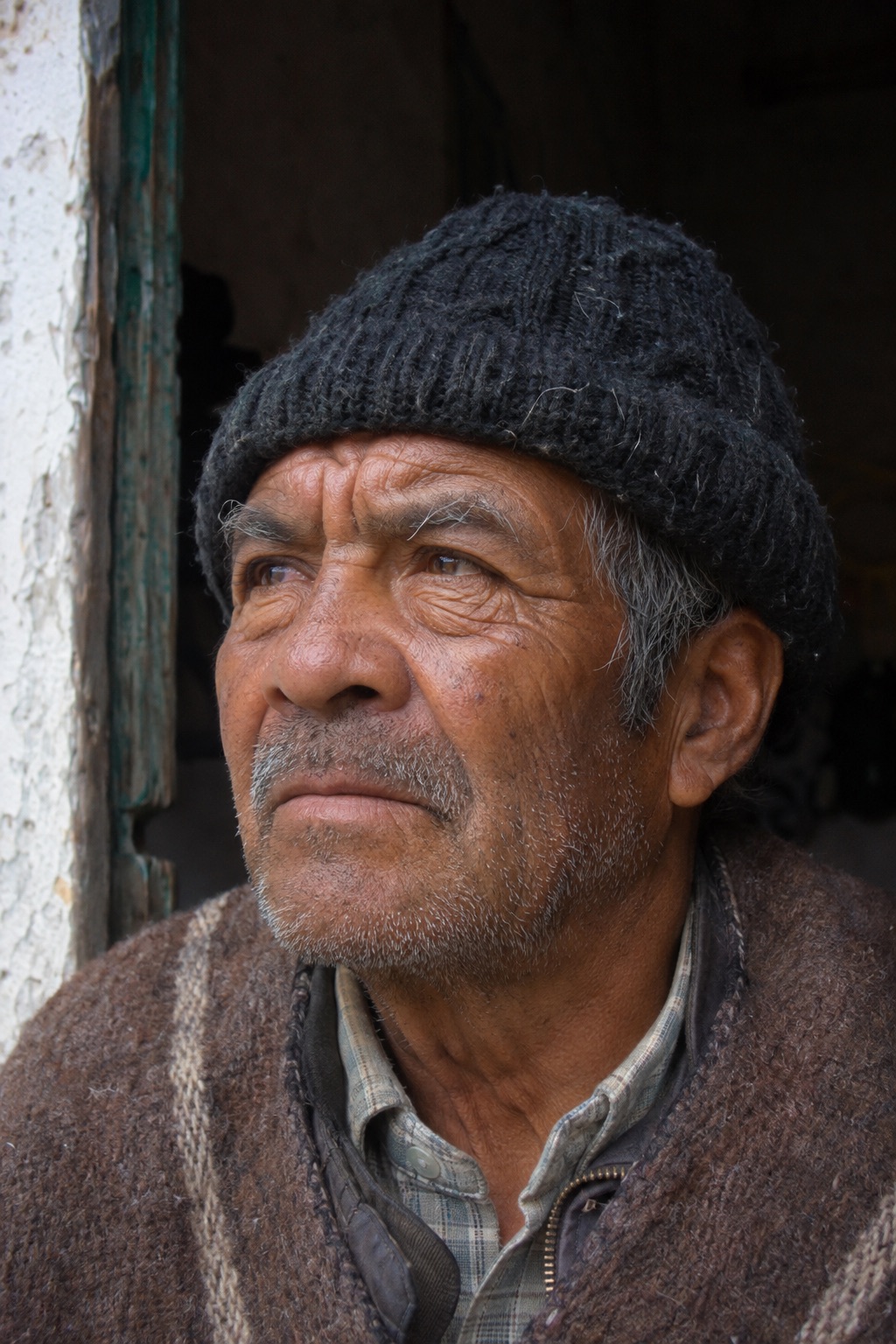
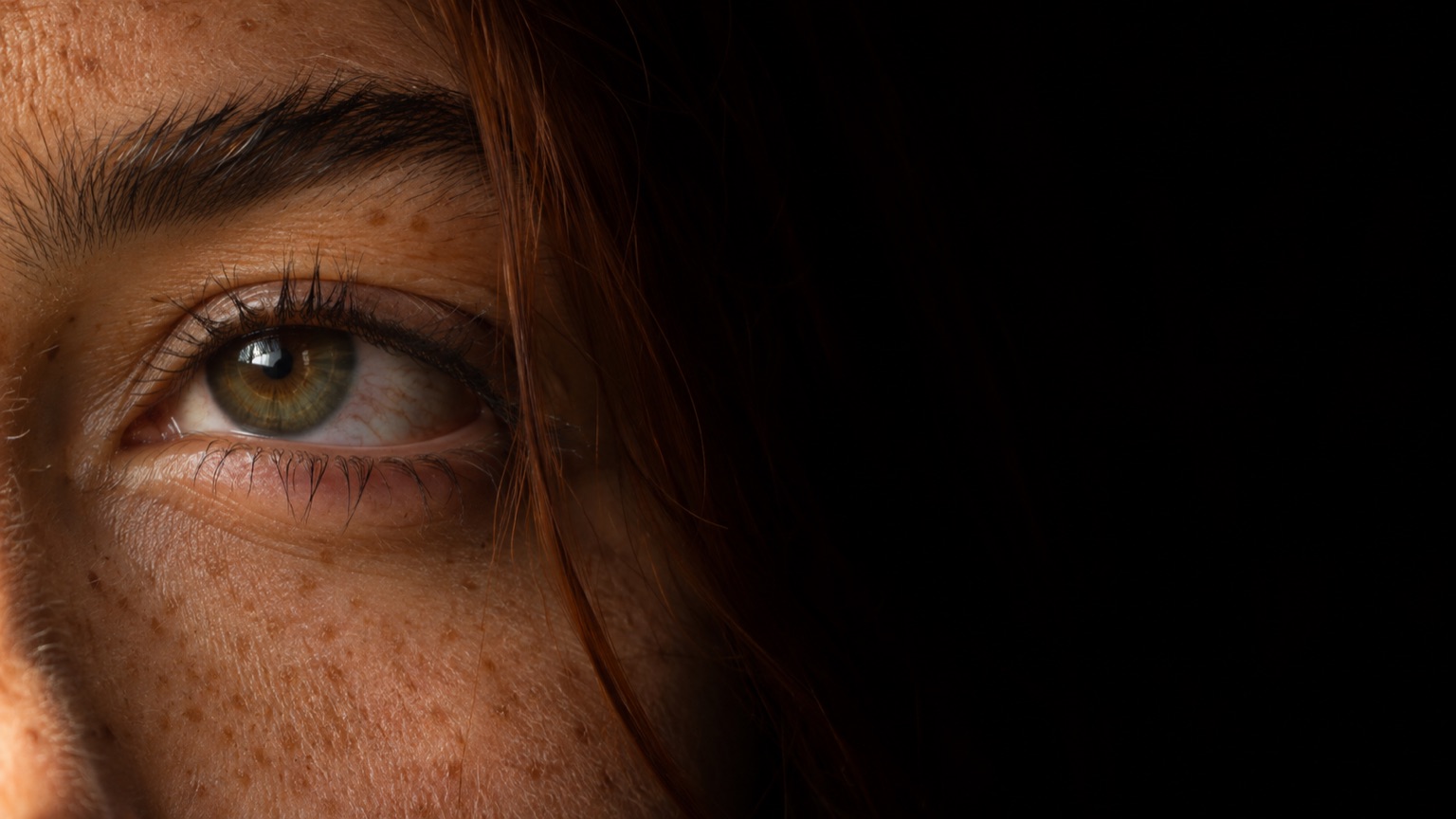
Like it was taken by someone.
Not by a machine. Revelado teaches AI to describe who took the photo, with what, what the light was doing and what was on the table. So it stops inventing and starts imitating reality.
A skill created by @lortbyron ↗just real people.
AI looks perfect. Reality doesn’t.
Ask for “hyperrealistic, 8k, cinematic” and you get the opposite: a perfume ad. Those words summon exactly the look that gives AI away.
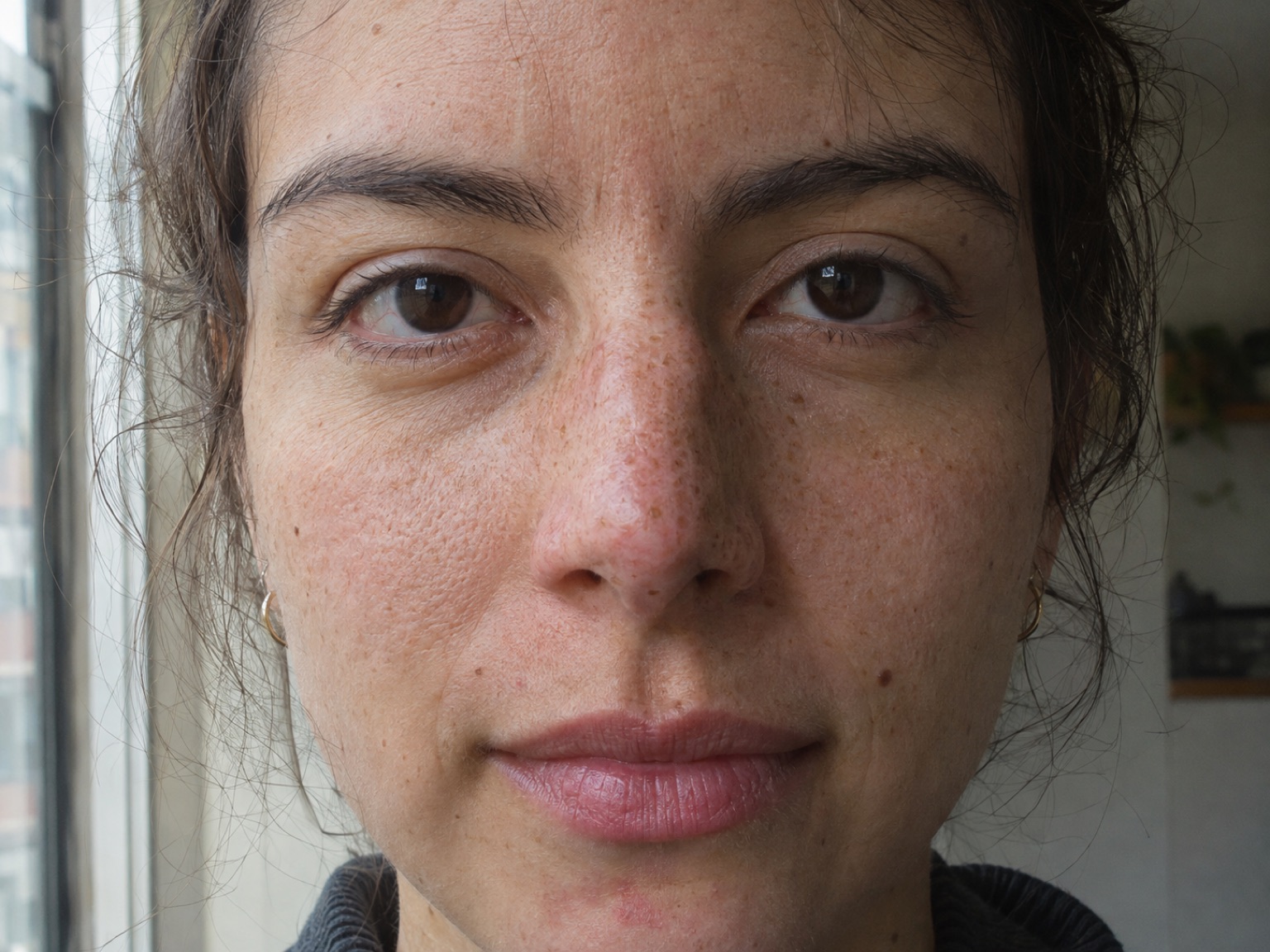
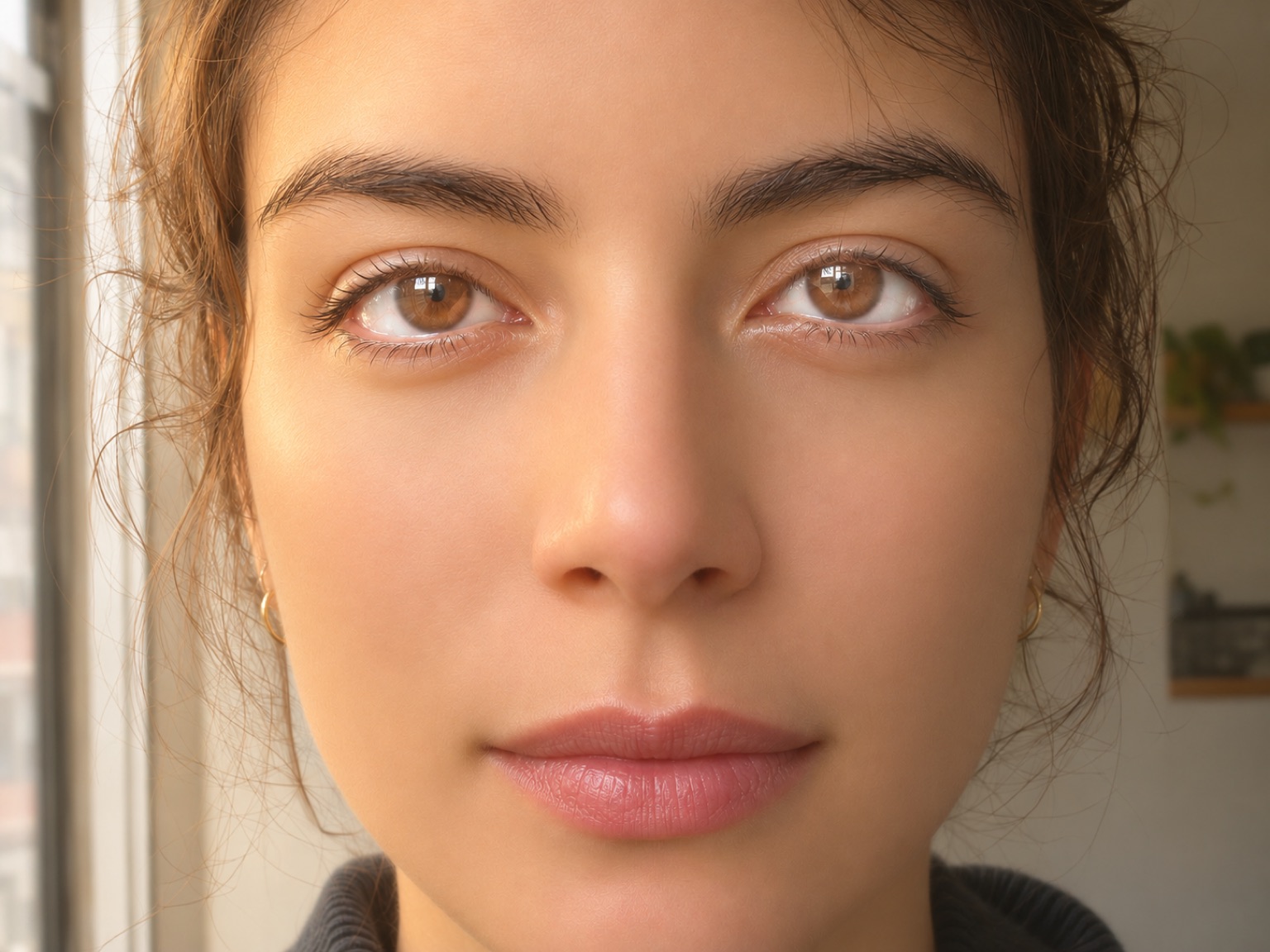
different reality.
↙
Realism isn’t a filter. It’s a system.
Five levers that reproduce how real photos work. Every measurable fact is something AI can draw; every mood adjective is something it has to guess, and it guesses wrong.
Who took the photo, with what, and where. AI imitates the kind of photo you describe: it’s the strongest lever.
One real source and where it falls. “Window light from the left; the back wall drops into shadow.”
Aspect ratio, distance and one ordinary camera flaw. Perfect framing gives it away.
Two or three anchors per person: pores, fine hair, wear. Never more, or it turns into a texture demo.
Three to five literal exclusions at the end, instead of words that summon the artificial.
Phone, available light, ordinary color, casual framing. For places, food and products.
A photojournalist’s eye: real shadow shapes, visible skin texture, no grading. The default with people.
Every surface at material level: pores with depth, chipped paint, fingerprints. When you ask for “make it not look AI”.
Like you’d talk to a person: “a family having lunch at home, make it not look AI.”
It picks camera, light and framing, describes each person and applies the ethical limits. You get a ready-to-paste prompt.
ChatGPT or another tool takes the prompt and creates the photo. The skill writes; the generator draws.
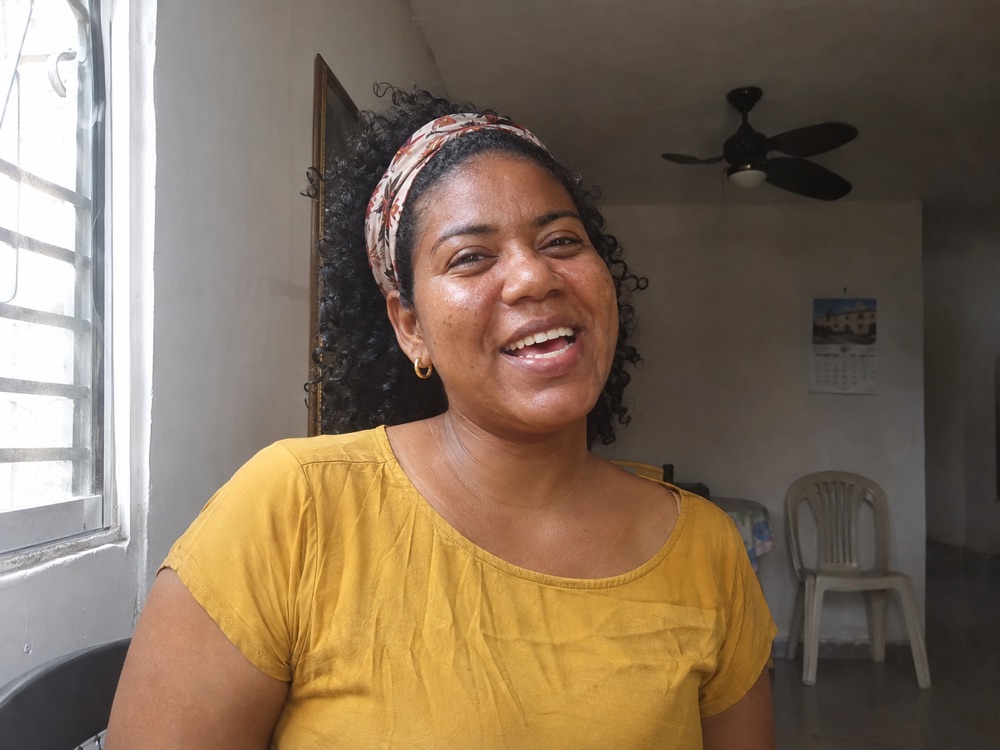
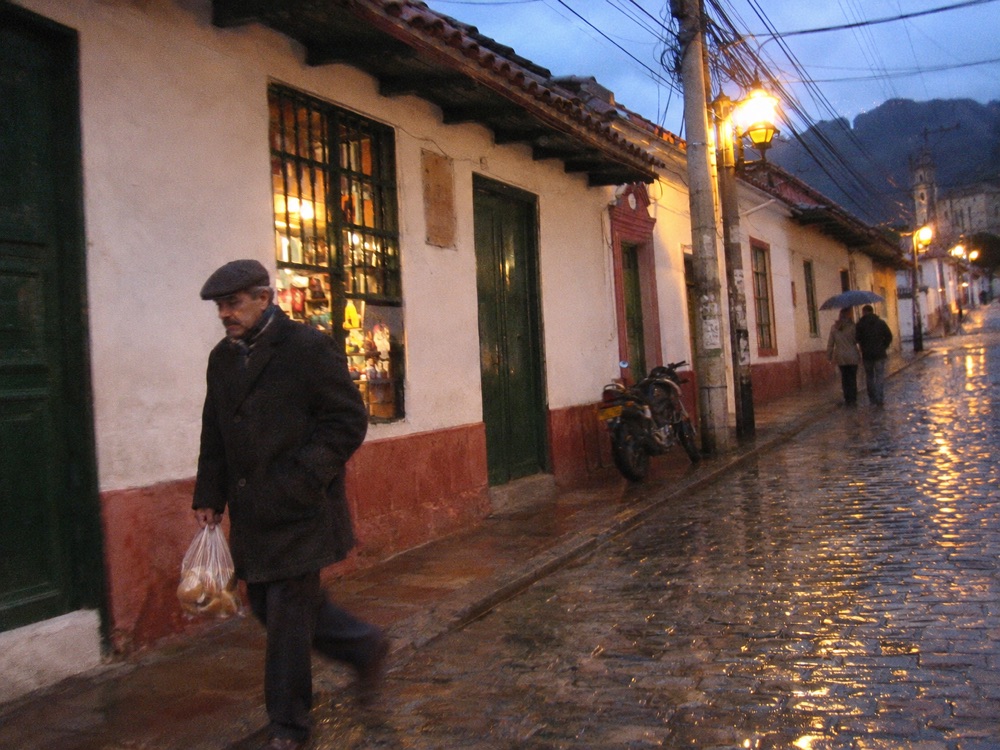
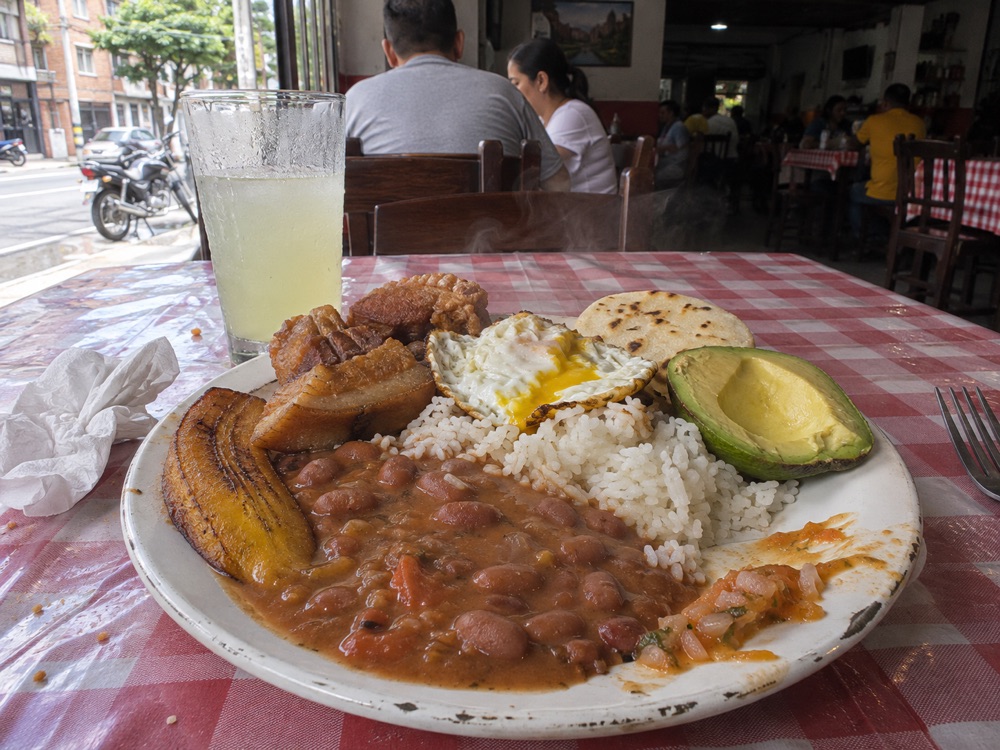
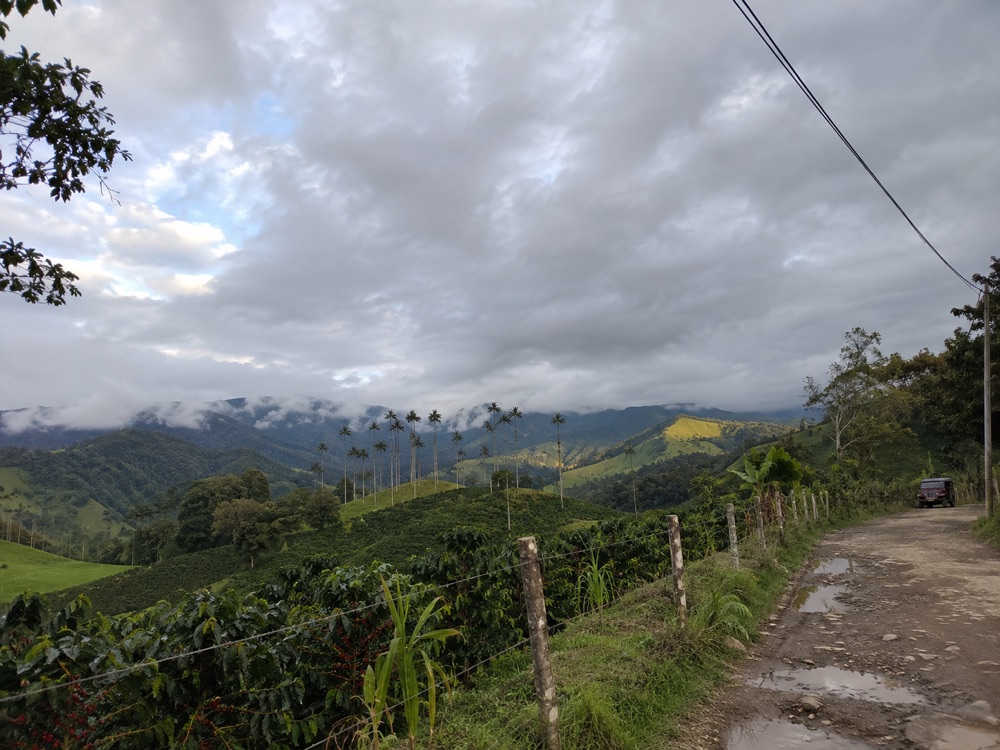
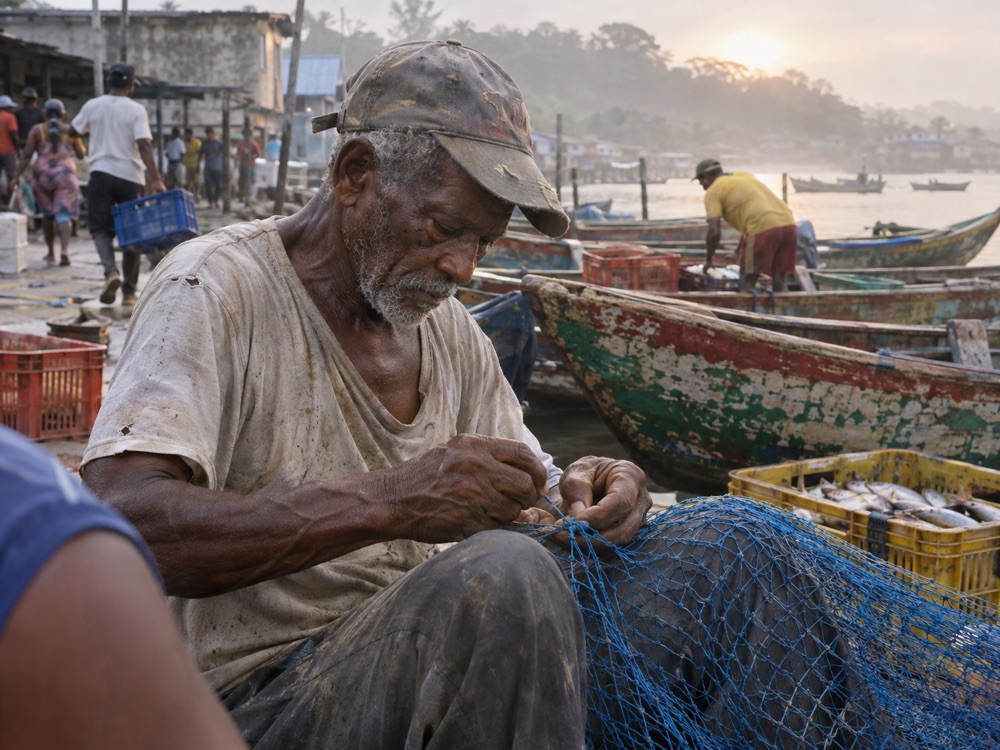
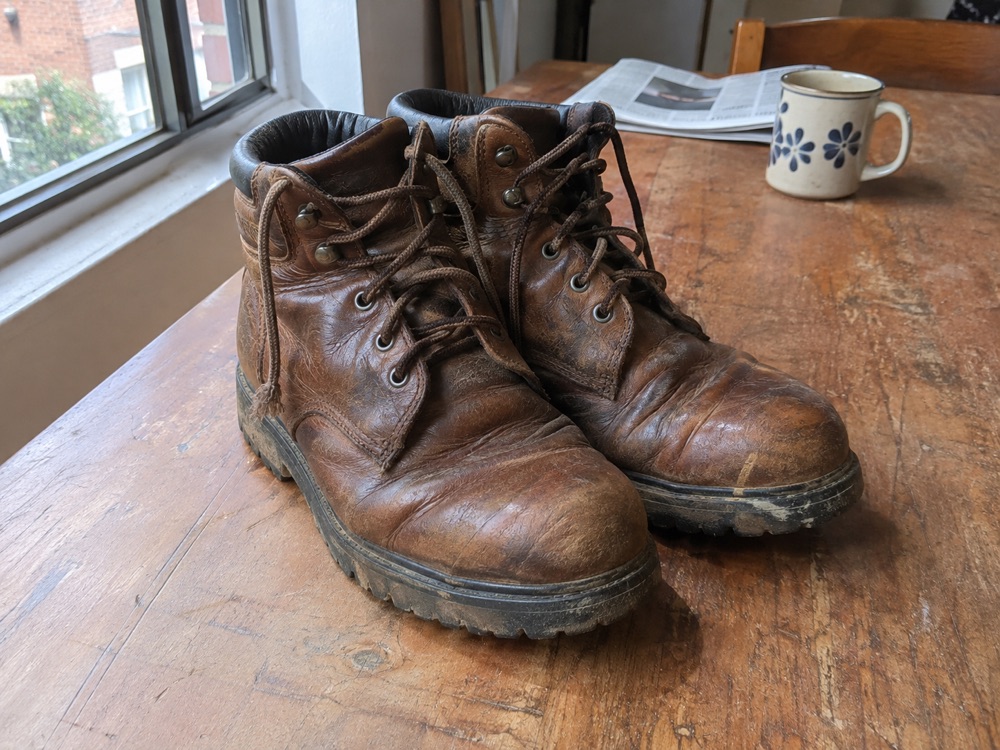
Every scene has its photographer.
A portrait is taken by a friend by the window; a market, by a photojournalist; a pair of boots, by the seller on their phone. The skill picks the provenance for each scene. Tap one to try it in the builder.
Three ways to use it. None require prompt skills.
Pick based on what you have. Tap each step to see what it looks like on screen.
For anyone who needs a believable photo.
Tap “Try this case” and the builder fills itself in with an example for that person.
From a simple idea to a developed prompt.
The whole method in a form, for people who will never install a skill. Fill in what you know; the rest is decided with judgment, and the prompt builds as you type.
Real light. Real people. Real places.
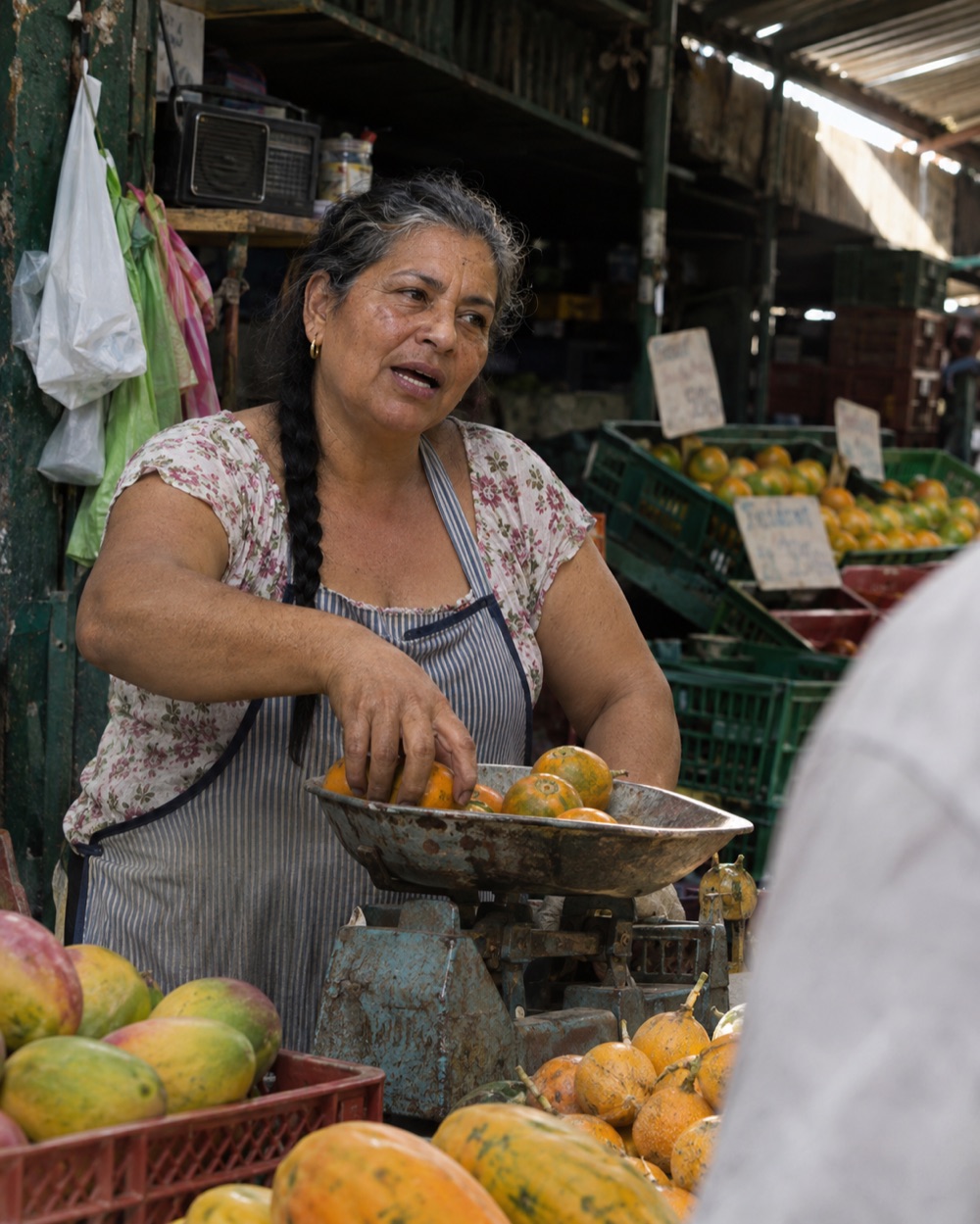
Images made with prompts from the skill, untouched. Under each one, who “took” it.
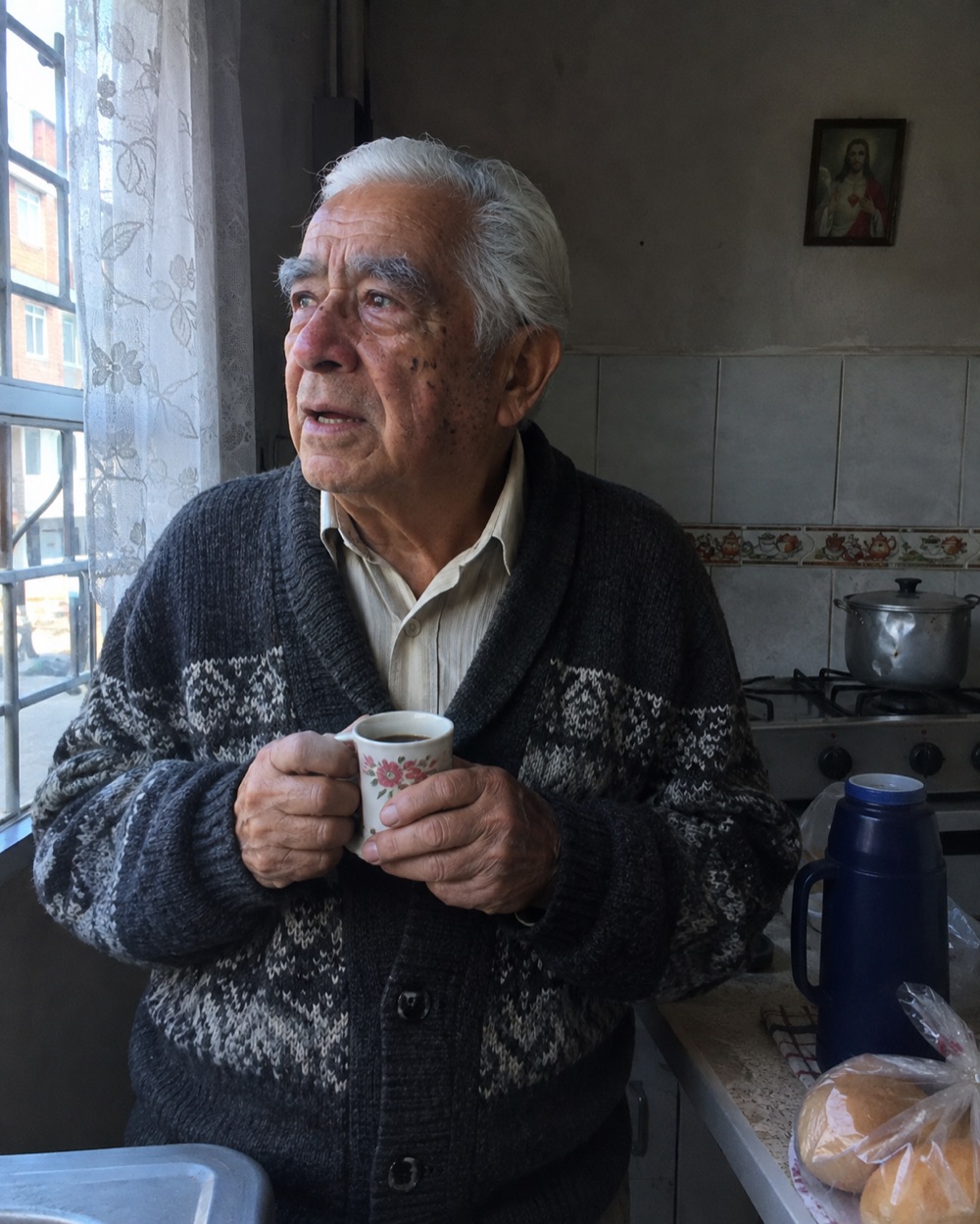
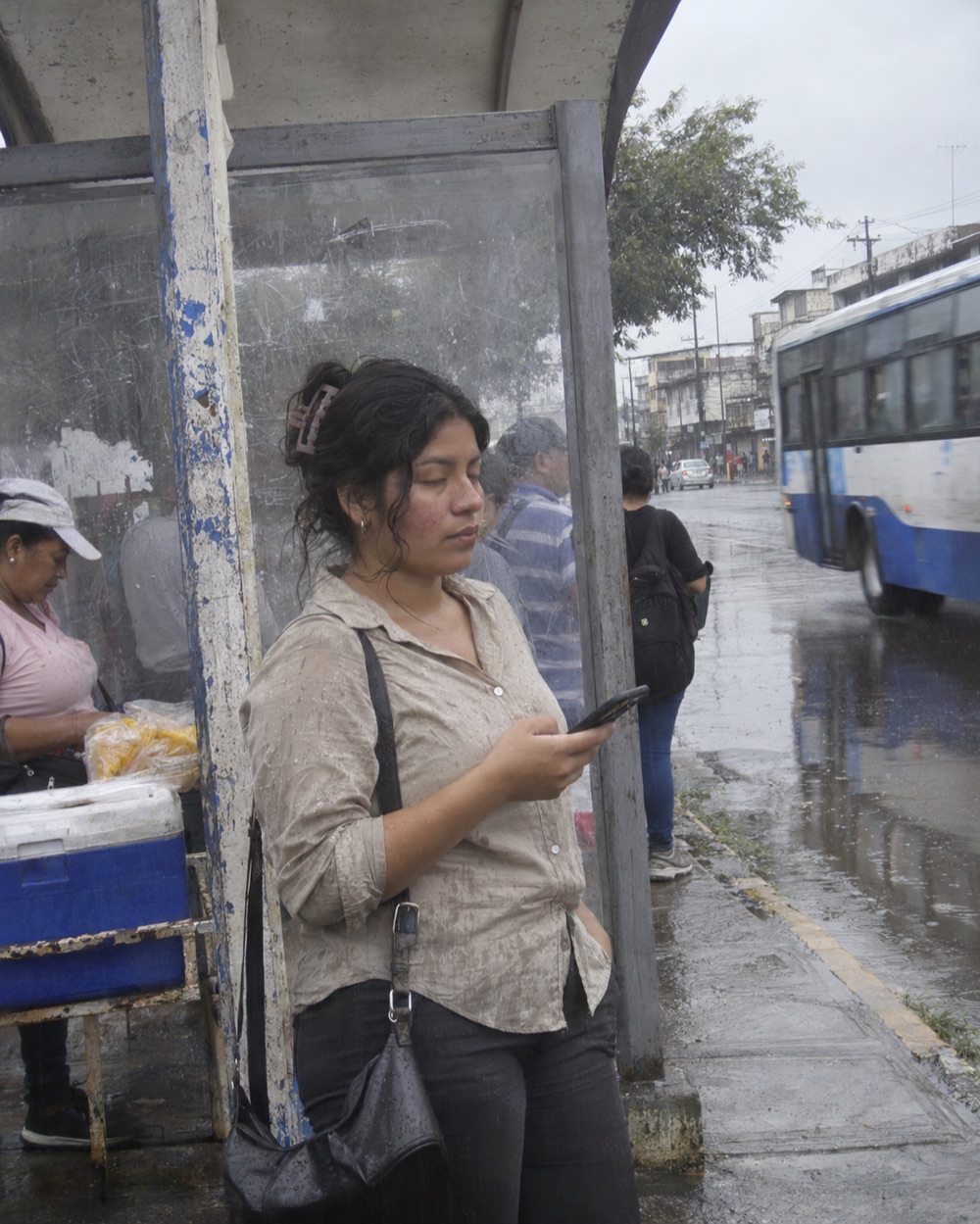
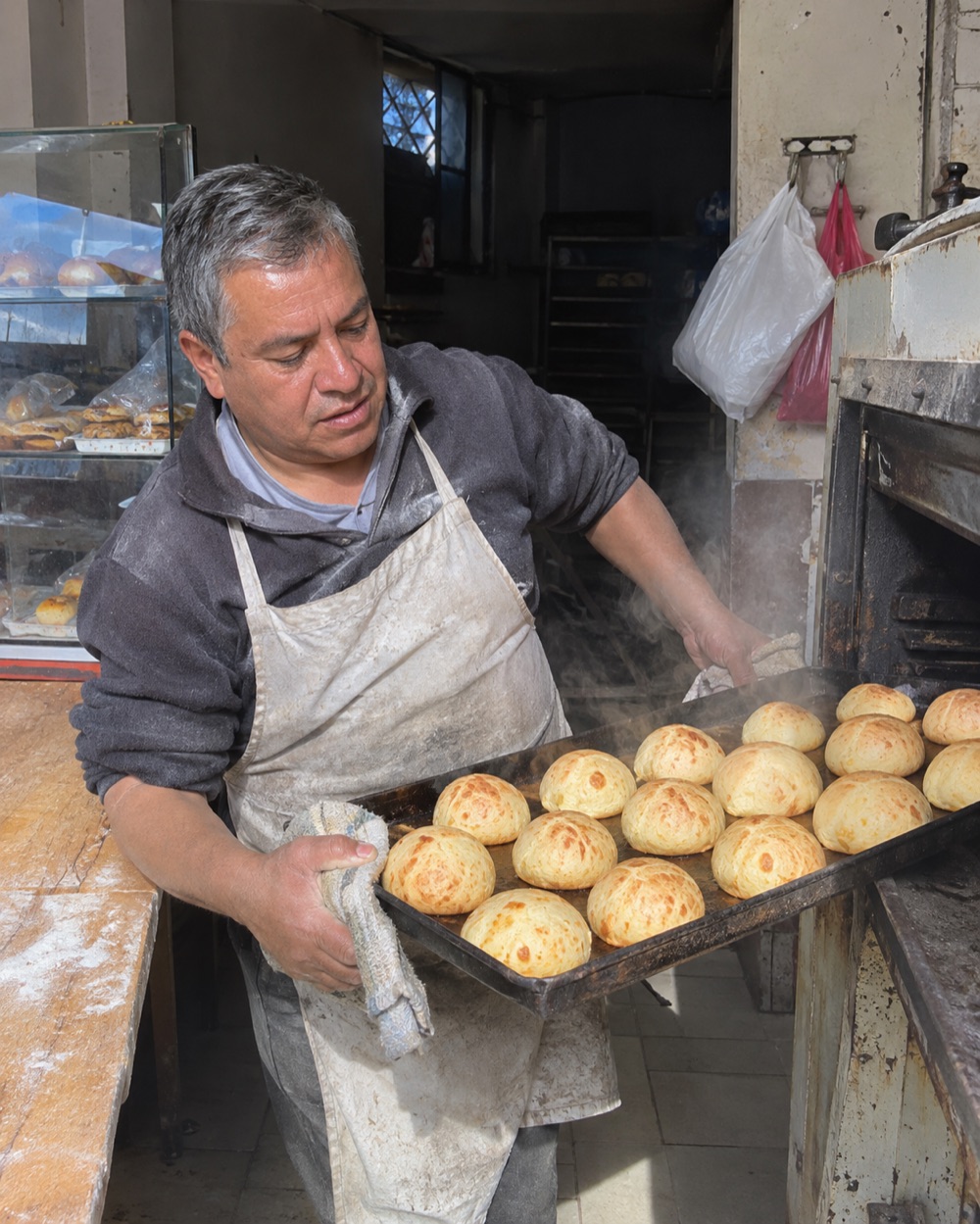
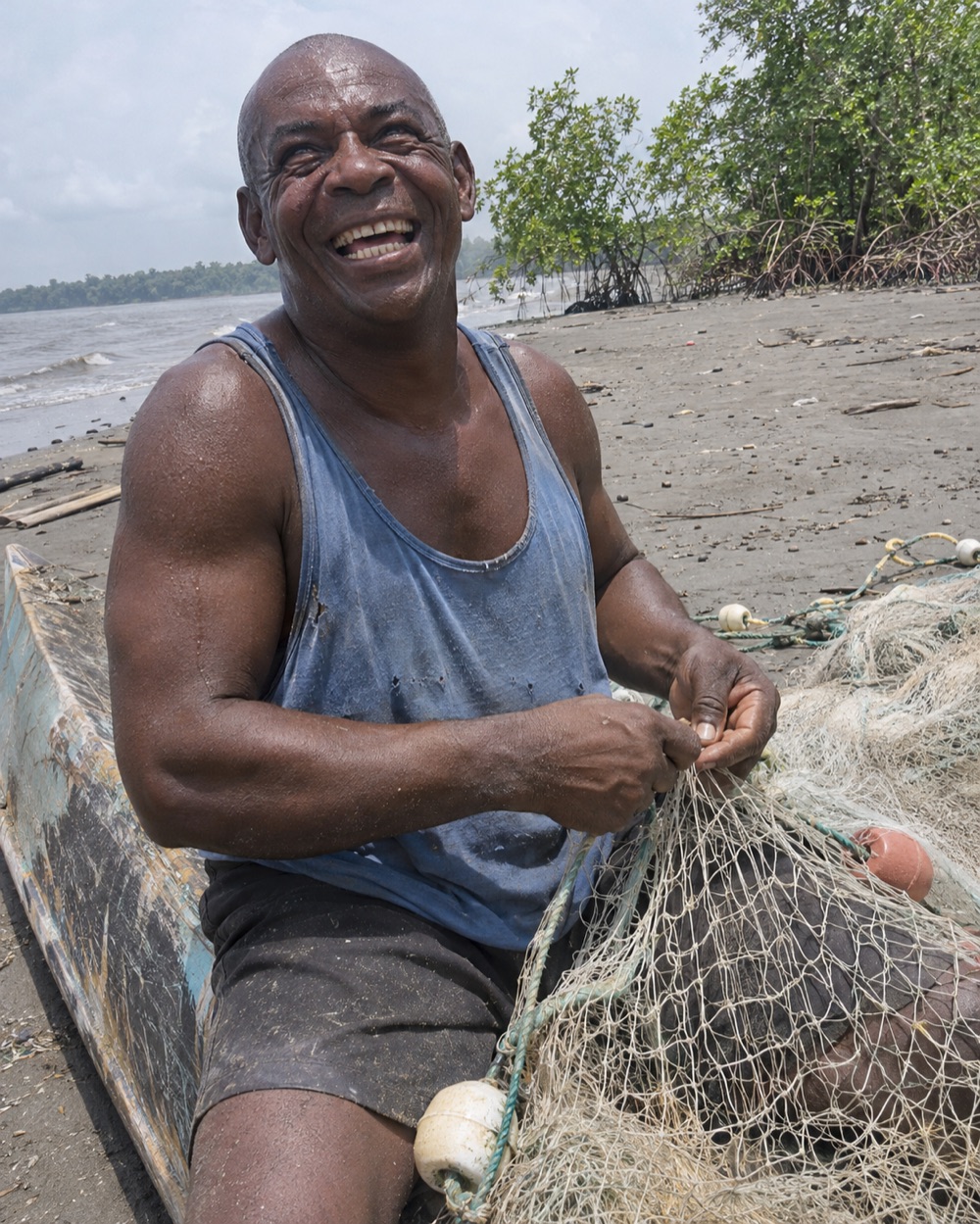
What looks real can deceive.
That’s why the method comes with four rules that are never skipped. The skill checks them before writing a single word, and the builder applies them on its own.
Minors
If a minor appears, only their approximate age, clothing and what they’re doing are described. Never skin or body detail. Nothing suggestive, no exceptions.
Real people
It won’t imitate celebrities or real people, neither their face nor their voice. It always offers an invented person instead.
Fake records
It won’t build news, evidence, security footage or recordings of real events. Something that looks like a record gets used as one.
Commercial deception
No fake testimonials or “before and after”. A product is shown as it really is, and the image is labeled as AI-made.
What’s coming to imageeen.
Revelado is the first skill. The method works for far more than one photo: some ideas already exist, others are waiting for someone to build them.
Describe physics, not vibes.
The skill is free and open. Upload it to Claude as a .skill file, or paste SKILL.md into any other AI. It works with ChatGPT Images 2.5 and with OpenAI’s image models through the API.
Not sure how to install it? See the steps or use the builder with nothing to install.